Investment Strategy
The Berenberg Sustainable Stiftung fund is a sustainable and distribution-orientated multi-asset fund that takes foundation-specific aspects into account at limited risk. The objective of the defensively oriented portfolio is to exploit opportunities and generate earnings potential in order to ensure long-term real capital preservation and the generation of steady returns. This especially includes the active management of investment ratios, the capital commitment period as well as regional and sectoral allocation. Due to the focus on the inclusion of Berenberg’s sustainability criteria in the selection process, the strategy is especially suitable for investors with social commitments or high moral and ethical standards.
- Sustainable multi-asset solution with distribution focus
- Active management within fixed ranges per asset class
- Active positioning against a mixed market benchmark
- Maximum equity allocation of 35%
- The investment universe comprises mainly single securities
Learn more about our Berenberg Multi Asset investment philosophy
Further details on the opportunities and risks of this fund can be found in the sales prospectus.
Indexed performance
Performance in 12-month periods
Currencies
Asset classes
Top Holdings
Equities - Sectors
Equities - Countries
Bonds - Sectors
Bonds - Countries
Monthly market comment
In August, global risk assets proved resilient despite ongoing geopolitical tensions in the Middle East and renewed military exchanges in the Strait of Hormuz. US equity markets rebounded noticeably from the previous month’s weakness, buoyed by robust corporate earnings and a strong recovery across the technology sector, led by upbeat results from AI heavyweights. Against this backdrop, the S&P 500 gained 2.7% over the month, while the MSCI Europe lagged behind US benchmarks with a modest gain of 0.45%. The tech-heavy Nasdaq even climbed by 4.2%. In bond markets, upward pressure on yields persisted despite the US Treasury's bond buyback announcement. This was driven by solid economic data, sticky inflation concerns, and a hawkish address by Fed Chair Kevin Warsh at the Jackson Hole symposium, which pushed the market-implied probability of a September Fed rate hike above 60%. The 10-year US Treasury yield climbed back to approximately 4.75% during the month, while the 10-year German Bund yield touched up to 3.33%, its highest level since 2011. Gold experienced strong inflows, fueled by concerns over US fiscal debt and the US Treasury's bond buyback plans, ending the month with a substantial gain of nearly 10%.
Portfolio Management
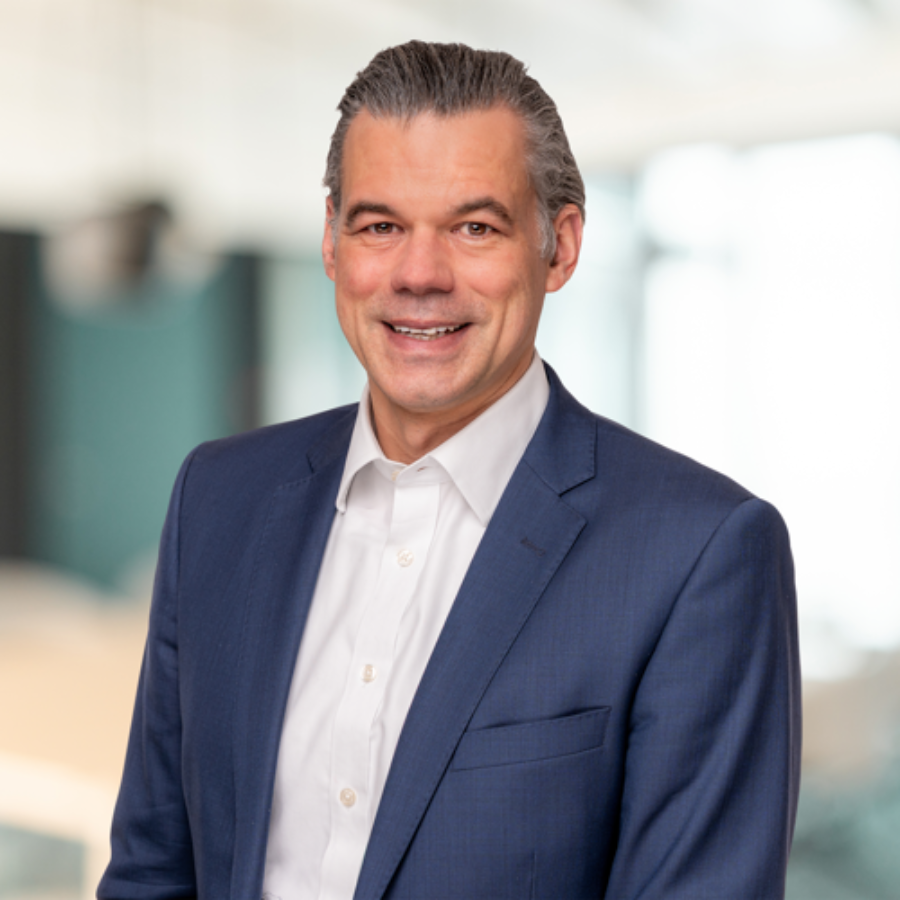
Oliver Brunner
Oliver Brunner has been with Berenberg since 2007 and heads the Multi Asset Income & ESG Portfolio Management division. In addition, the graduate industrial engineer manages strategies and funds for foundations. He has many years of experience and particular expertise in managing large special mandates and special funds for foundations, ecclesiastical and public institutions, as well as private clients with specific requirements. He completed his studies at the Karlsruhe Institute of Technology (formerly the Technical University of Karlsruhe) in the late 1990s and obtained the Certified International Investment Analyst (CIIA) qualification alongside his professional career in 2006. Prior to joining Berenberg, he worked from 2000 to 2007 as a portfolio manager and equity analyst at Baden-Württembergische Bank AG in Stuttgart.
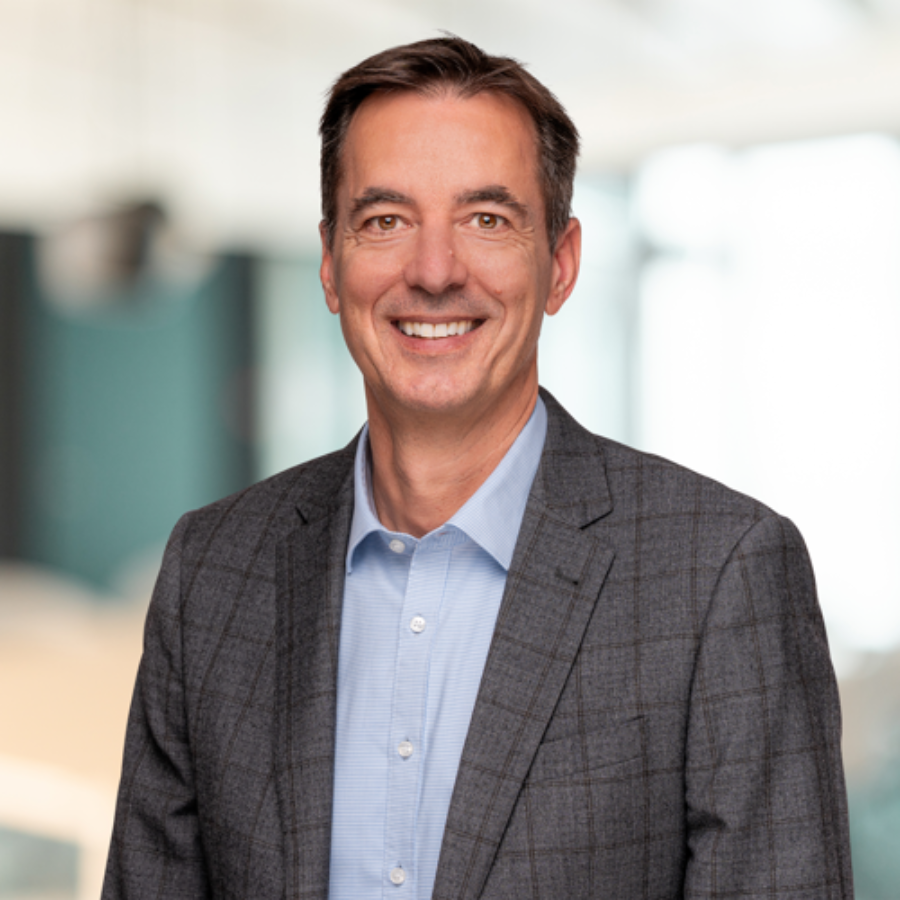
Christian Saalfrank
Christian Saalfrank has been with Berenberg since May 2023. As co-fund manager of the Berenberg Sustainable Foundation mutual fund, he is responsible for sustainable and high-dividend strategies in the Multi Asset Income & ESG division in Frankfurt. He has many years of experience and particular expertise in the management of large special funds for savings banks, companies and municipalities. After completing a banking apprenticeship at Stadtsparkasse Nürnberg, he studied business administration at the University of Erlangen-Nuremberg in the mid-1990s. After graduating, he began his career as a junior fund manager at SEB Invest. In 2001, he passed the part-time Certified European Investment Analyst (CEFA) exam. From 2001 to 2021, he worked as a Senior Fund Manager Multi Asset/Equities for institutional clients at Helaba Invest. Most recently, he worked as Head of Equities at LeanVal Asset Management AG.
CO₂-Intensity
The fund does not actively manage its carbon footprint, however, emissions data such as CO2 intensity are relevant parameters which can be used to assess the efficient management of a company and the extent of transition risks.
ESG Score
The data provider MSCI ESG uses an ESG score of 0 to 10 to assess the management of material ESG risks of portfolio holdings compared to competitors.
ESG Controversies Screen
Investments in the fund are monitored for ESG controversies and, with the help of MSCI ESG data, flagged according their severity. Thereby, potential ESG risks of investments are identified. In the case of an orange flag (severe controversy), we enter into an active exchange with the company. In the case of a red flag (very severe controversy), the company is excluded.