
Supply shortages are likely to keep oil prices at elevated levels
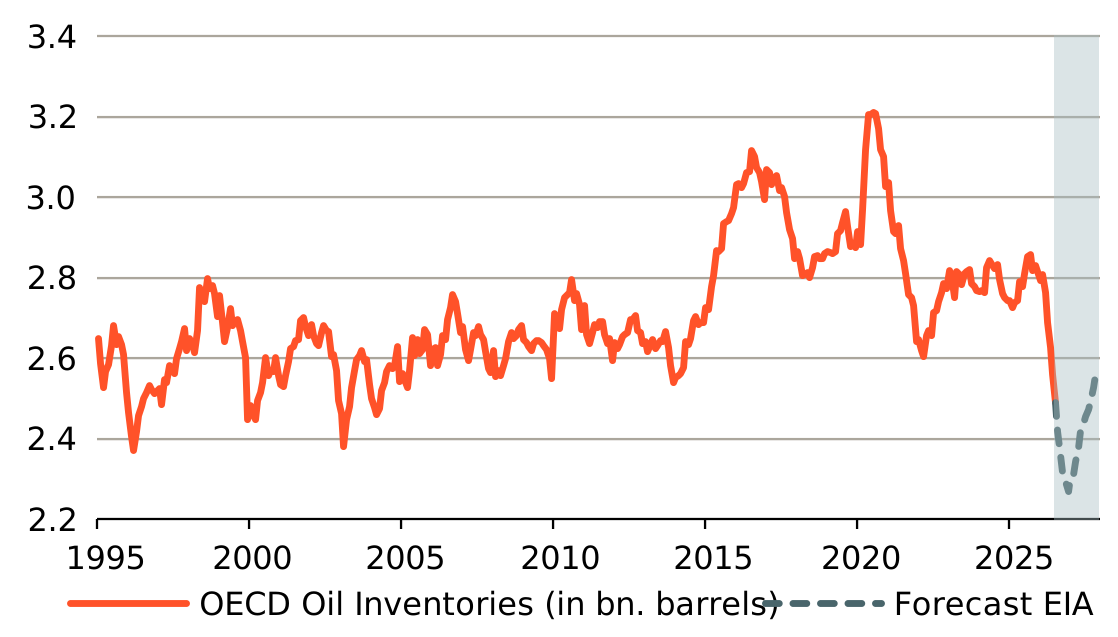
The outbreak of the Middle East conflict sent shockwaves through the global oil market, causing an unprecedented supply crunch. The de facto closure of the Strait of Hormuz resulted in the loss of around 20% of the world’s crude oil supply. Although part of this shortfall was offset via alternative routes, global oil inventories are dwindling at a rapid pace. Even after the Memorandum of Understanding has been signed, it may take months for global supply to return to its normal levels due to damaged infrastructure, demining operations, reduced production and the misallocation of shipping capacity. At the same time, the replenishment of stockpiles and Strategic Petroleum Reserves (SPRs) is likely to generate incremental demand. However, despite recent weakness, the persistent supply deficit is expected to keep the general price level of crude oil elevated over the coming months.
Global oil stocks are likely to be replenished only gradually
Commercial OECD oil stocks (in billions of barrels) and the Energy Information Administration’s (EIA) forecast up to the end of 2027
Structural gold drivers intact despite fragile macro environment
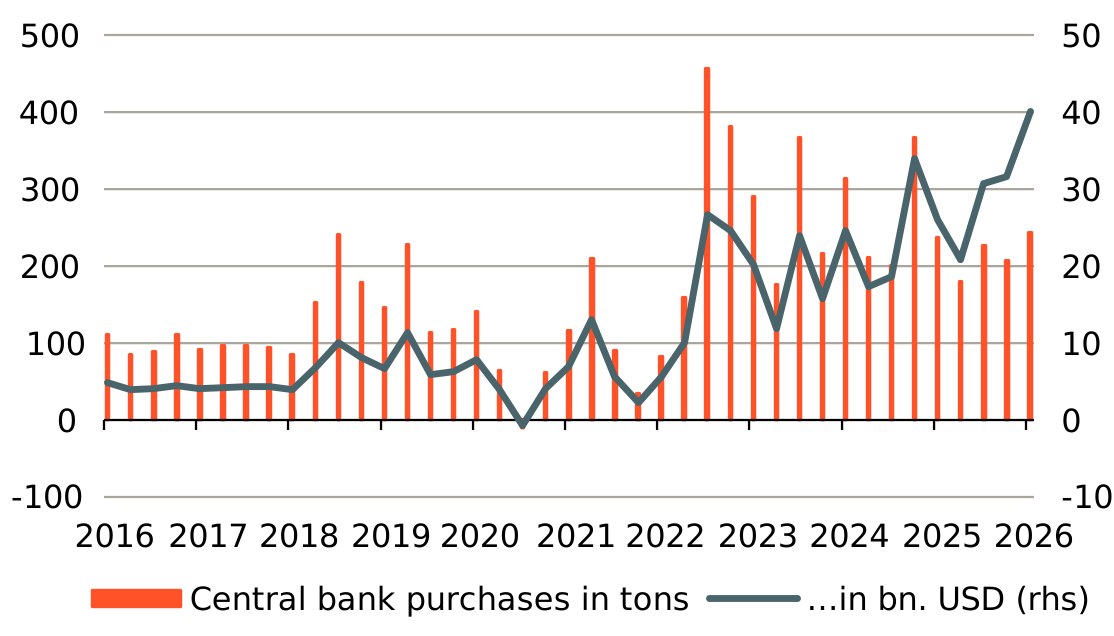
The price of gold saw a significant rally at the start of the year but gave up all those gains in the wake of the Middle East conflict. The main headwinds for the metal have been the rising interest rate expectations as well as the pick-up in real rates. Simultaneously, some central banks sold parts of their holdings – though mainly to counteract a depreciation of their domestic currencies. With the Memorandum of Understanding between the US and Iran and a much cleaner positioning backdrop, the recent headwinds for gold are likely to gradually subside, allowing the structural drivers that remain in place to come to the fore once again. Fiscal dominance, financial repression and rising budget deficits continue to favour real assets such as gold.
Central bank gold purchases continue unabated in 2026
Quarterly net gold purchases by global central banks in tonnes and billions of US dollars since 2016
Ongoing supply shortages likely to further underpin metal prices
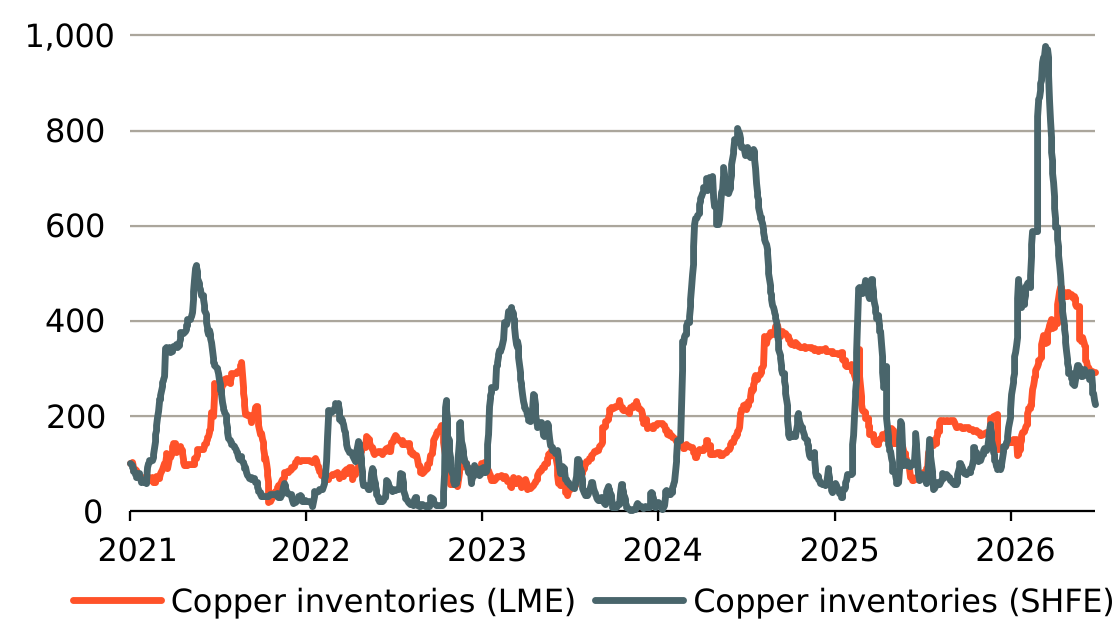
Industrial metals, particularly copper and aluminium, have performed very strongly so far this year. The main drivers have been persistent supply bottlenecks, as well as renewed discussions surrounding the Trump administration’s introduction of tariffs. Massive investment in AI infrastructure and the generally robust state of the economy are currently providing further support. The prevailing supply deficit has so far been exacerbated by the de facto blockade of the Strait of Hormuz, through which around 10% of global aluminium production is transported. Although the current positioning calls for caution in the short term, industrial metals are likely to remain supported by structural drivers such as AI data centres and the green transition, even setting aside current events.
Copper stocks have fallen significantly since the start of the war
Copper stocks on the London Metal Exchange (LME) and the Shanghai Futures Exchange (SHFE), indexed to 100 on 01/01/2021
Author